
TOYOTA LQ
Overview
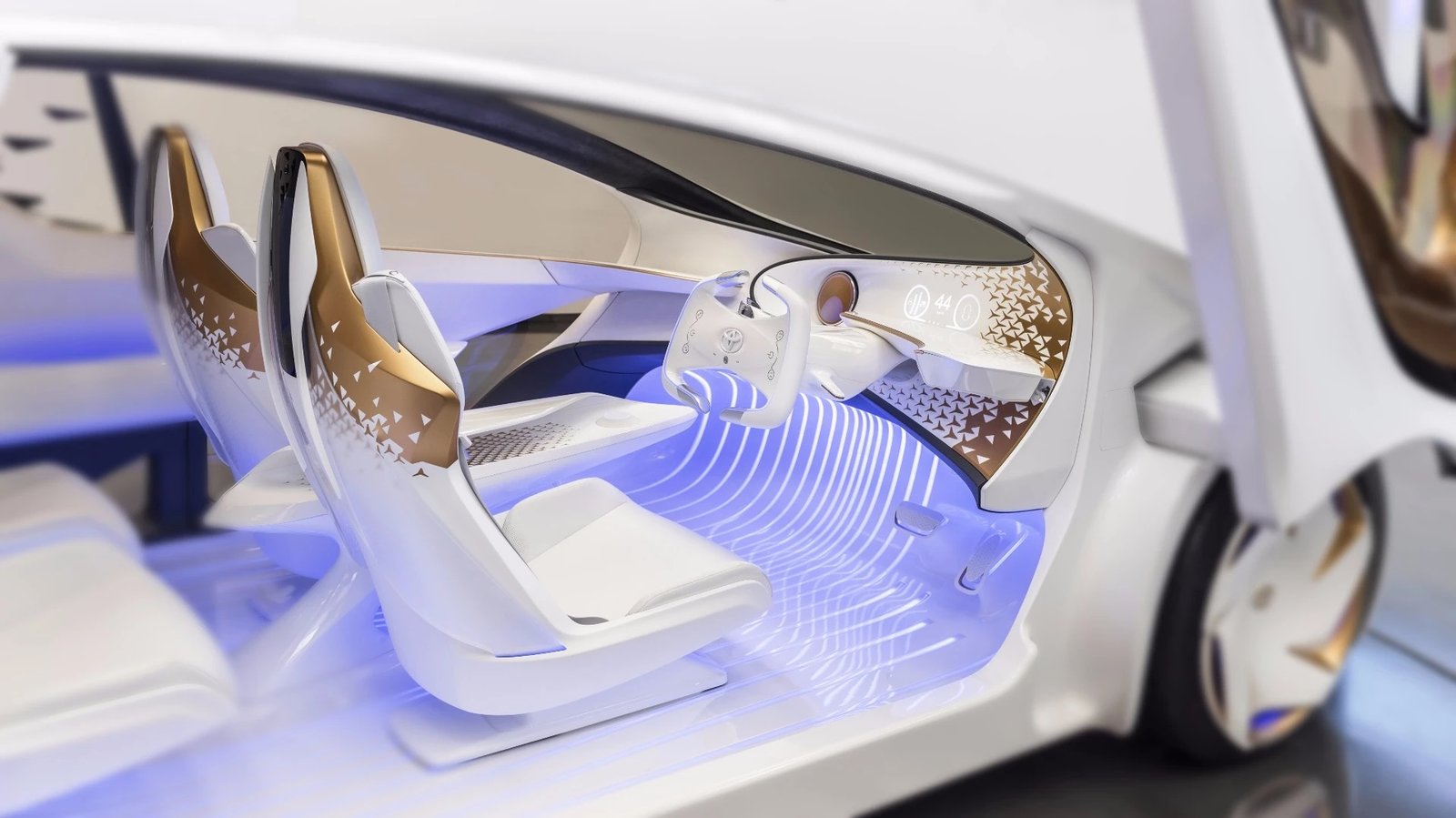
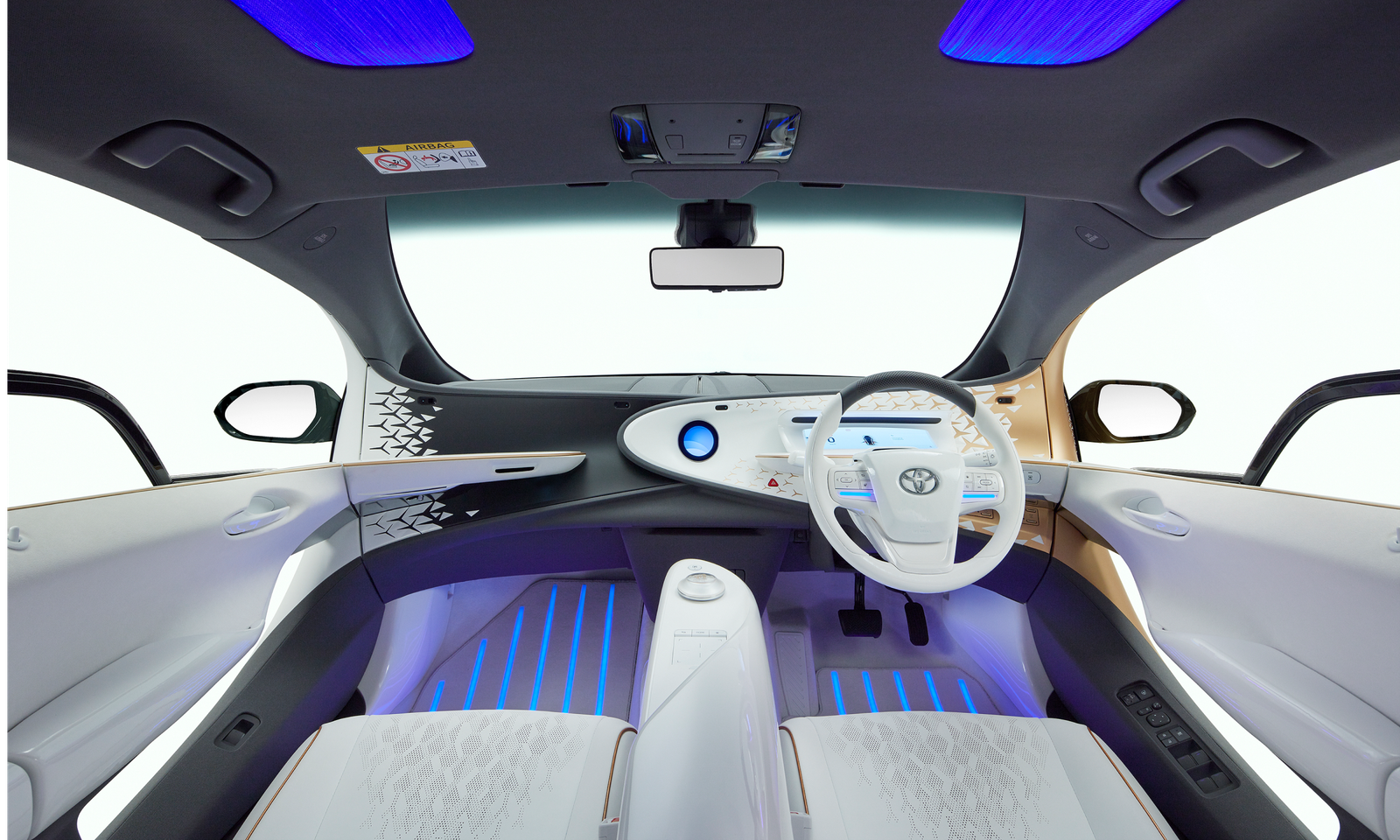
The Toyota LQ represents an evolution of Toyota’s human-centered mobility vision — a vehicle designed to build trust and emotional connection between driver and machine. At its core is Yui, an advanced AI agent capable of learning from the driver and responding to their emotional and behavioral state over time.
The sound design for LQ supports this philosophy by transforming audio from a functional notification system into an expressive medium for communication, reassurance, and presence.
Opportunity
Toyota LQ reframes the vehicle as a companion rather than a machine. That shift demanded a new sonic language — one capable of expressing awareness, intelligence, and empathy without feeling artificial or intrusive. The system needed to communicate readiness, guidance, and emotional support while remaining subtle enough to preserve calm within the cabin.
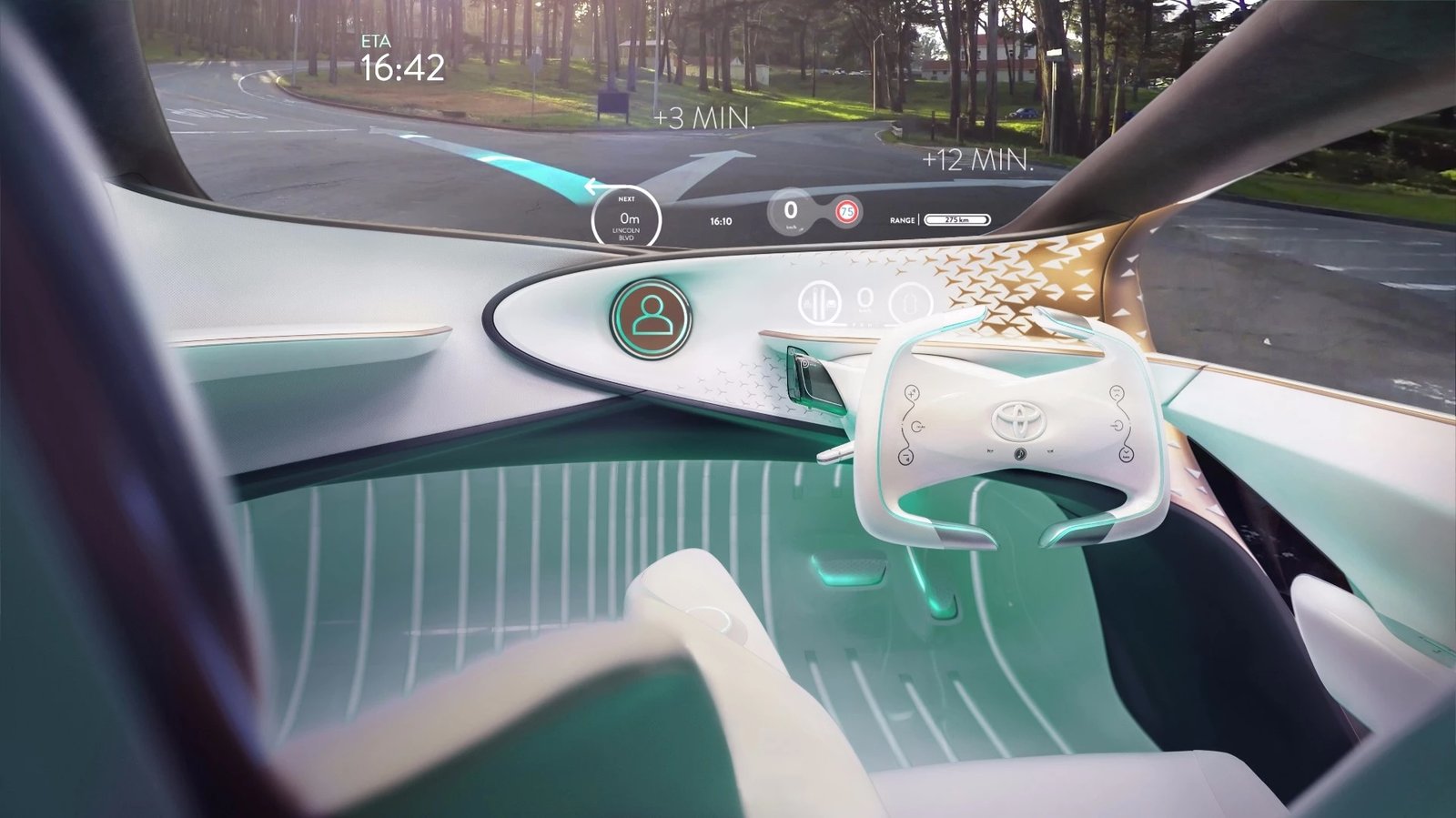
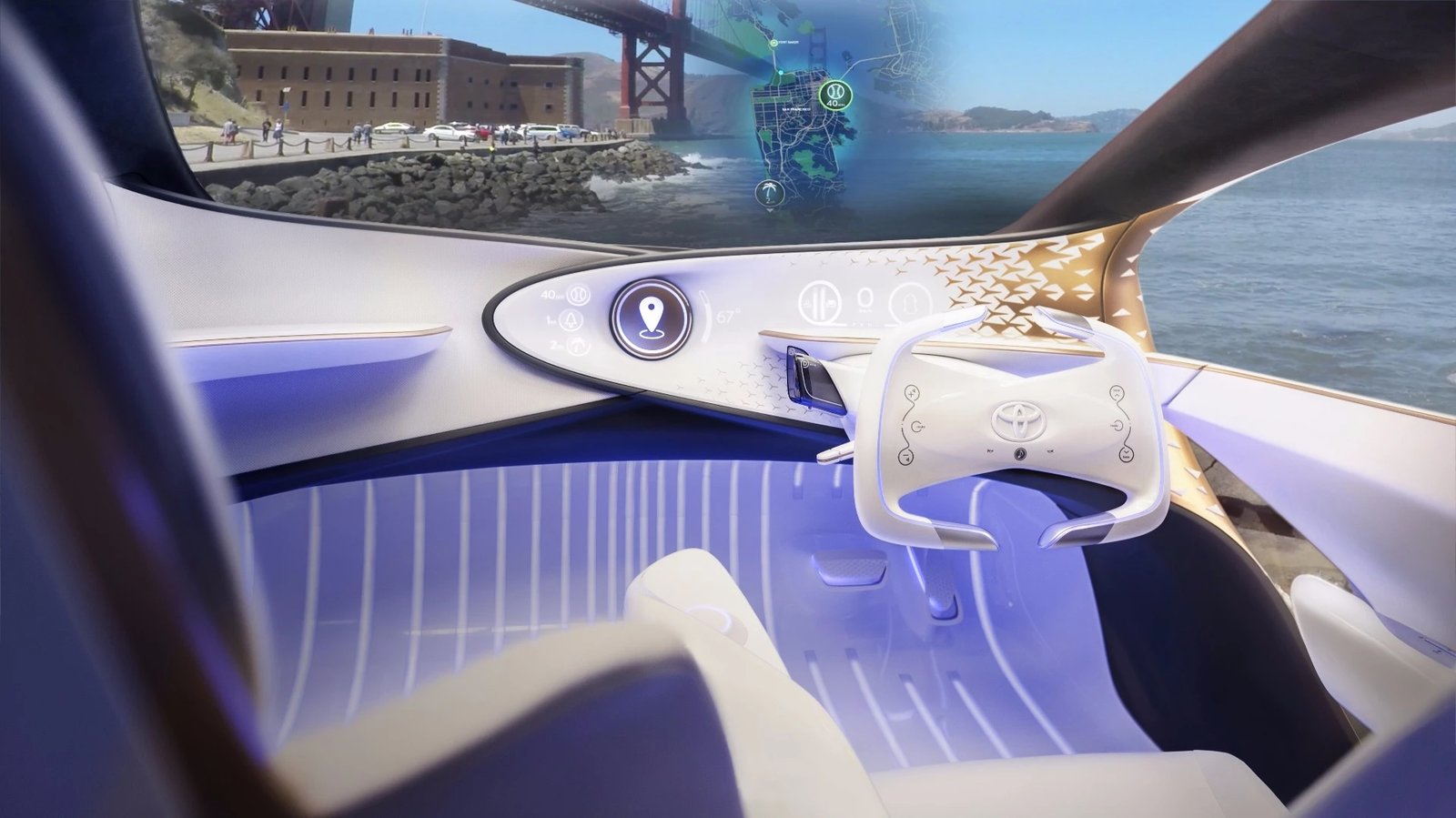
Sound had to align seamlessly with lighting, interface motion, and spatial design so that every cue felt integrated into the vehicle’s behavior rather than layered on top of it.
Sonic Vision
The sonic identity was built around the idea of emotional presence. Yui’s auditory expression avoids traditional assistant tropes and instead lives as a refined harmonic layer within the environment. Organic warmth blends with restrained digital tonality, creating a sound world that feels advanced yet human. Transitions between manual and automated driving states were designed as evolving compositions rather than abrupt alerts. Harmonic expansion, spatial movement, and tonal resolution signal changes in control with clarity and composure.
Design System Architecture
The Toyota LQ interaction system is built on a refined set of core sonic gestures, each harmonically related and emotionally aligned to create a cohesive conversational language between driver and AI.
Welcome opens the experience with a soft harmonic bloom, signaling presence and readiness without intrusion. Embark introduces subtle forward motion, carrying a sense of anticipation as the journey begins. Arrival resolves with calm finality, offering a composed tonal exhale that marks transition with restraint.
Acknowledge acts as a brief, centered nod — confirming the system is listening. Understand lifts slightly in tone, signaling interpretation rather than simple reception. Confirmation adds clarity and definition, reinforcing successful action with quiet confidence. Completion provides gentle closure, resolving interaction loops with a balanced, understated cadence.
Together, these gestures form a unified acoustic dialogue — expressive enough to feel alive, restrained enough to preserve calm, and cohesive enough to define the emotional voice of the vehicle. Each sound shares a common harmonic DNA, ensuring continuity across every interaction and reinforcing a sense of intelligent, evolving presence.
Execution
Every sound within Toyota LQ was designed with restraint and intention. Clarity was prioritized over volume, emotional resonance over notification, and continuity over interruption. The goal was not to fill silence, but to shape it — allowing the vehicle’s intelligence to be felt rather than announced.
The workflow integrated sound design directly with HMI development, lighting animation, and behavioral modeling. Iterative prototyping ensured that audio cues evolved in parallel with visual transitions. Emotional mapping informed tonal shifts and spatial behavior, enabling the system to respond to driver state while maintaining a cohesive brand identity. Sound was treated not as an accessory, but as foundational to the experience architecture.
The Toyota LQ sonic direction reinforces the vehicle’s human-centered philosophy by transforming functional alerts into empathetic communication. It reduces cognitive load during complex state transitions and elevates the perception of technological sophistication through restraint and coherence.
By embedding emotional intelligence into the acoustic layer, Toyota LQ moves beyond transportation and toward companionship — redefining how future mobility sounds and feels.
Selected Works
ToyotaSound Design

SupernaturalSound Design
Ghost AutonomySound Design
Contact Here
Email : jerremylaesser@gmail.com
Phone : (415) 602 - 6904